A broken gift is more than a damaged item. For a florist, gift shop, garden centre or market trader, it can mean a replacement, a refund and a customer who remembers the disappointment rather than the purchase. This guide to packing fragile gifts is built around the practical decisions that protect stock from the counter to the customer’s door.
The right method depends on the item, its value, how far it will travel and whether it is being carried away, placed in a delivery box or displayed as a finished gift. A small glass candle holder needs a different approach from a large ceramic planter or a vase travelling with a floral arrangement. The aim is always the same: stop the item moving, cushion it from impact and give the finished package a professional appearance.
Start with the item, not the outer box
Packing materials work best when they are chosen for the product’s weak points. Glassware and ceramics are vulnerable at rims, handles, bases and corners. Gift hampers can have a different problem: individual contents may be strong enough on their own but can knock together inside the basket. Artificial stems, delicate decorative picks and presentation pieces may not break easily, yet can crease, bend or lose their finish.
Check the weight and shape before selecting packaging. A heavy item needs a stronger outer carton and denser cushioning than a lightweight ornament. An awkward shape may need to be secured within a larger box rather than squeezed into a close-fitting one. If an item has a lid, handle or removable component, treat that part as a separate risk rather than assuming the product packaging will hold it in place.
For goods going directly into a carrier bag, presentation matters as much as protection. Use tissue, packing paper or cellophane to prevent surface scratches, then place the item in a suitable gift bag, box or basket. For anything a customer may take on public transport or place in a car, consider whether the bag has sufficient base support and whether the contents can shift when it is carried.
Build protection in layers
Reliable fragile-item packing is not about using the largest possible amount of material. It is about putting each layer to work. The first layer protects the surface, the middle layer absorbs impact and the outer layer provides structure.
Wrap the surface carefully
Use tissue paper or soft packing paper as the first contact layer for polished ceramics, glass, varnished wood and decorative finishes. This avoids scuffs and helps prevent wrapping materials from catching on delicate details. Wrap each item individually where several fragile pieces are being sold together.
Bubble wrap is useful for the next layer, particularly around breakable items with defined edges. Place the bubbles facing inwards where they can cushion the product. Secure the wrap with tape, but avoid applying tape directly to the product, retail box or ribbon. It can leave marks and turns a tidy gift into an awkward unwrapping job.
For a vase, glass jar or bottle-shaped gift, give the rim and base additional attention. These are often the first points to meet a hard surface if the parcel is set down sharply. A folded layer of packing paper beneath the base can make a meaningful difference without making the pack look overfilled.
Fill empty space, but do not crush the contents
A wrapped item should not rattle inside its box. Fill the base first, position the product centrally and pack the sides and top before closing the carton. Void fill can include crumpled packing paper, tissue, shredded paper or suitable loose-fill material. The best choice depends on the weight of the item and the presentation required.
Paper-based fill gives a smart, natural finish for gift retailers and farm shops, especially when a customer may see the packaging. It is also easy to adjust around uneven shapes. Bubble wrap provides more impact protection in transit, although too much can make a small package bulky and increase postage or carriage costs. For heavier goods, use firmer material and a stronger box rather than relying on loose tissue alone.
Do not force the lid shut. Pressure from above can transfer directly to the product, especially with ceramic ornaments and boxed glassware. There should be enough fill to prevent movement, but not so much that the carton bows or the contents are compressed.
Choose a box that can do its job
A close-fitting box is usually more secure than a large carton filled with excess void fill. Leave enough room for protective layers on every side, including the top and base. As a working rule, fragile stock should not sit against the outer wall of the box.
Single-wall cartons can be suitable for lightweight local collections and counter sales, provided the item is well protected. For heavier, high-value or courier-bound goods, a double-wall carton may be the safer commercial choice. The extra material cost is usually modest compared with the cost of replacing damaged stock and managing a customer complaint.
Reuse of clean, sound cartons can be sensible for back-of-house dispatch, but inspect them first. A box with crushed corners, moisture damage or weakened tape lines has already lost part of its strength. Retailers sending premium gifts should also consider the impression created when a customer opens the parcel. Protection and presentation should support each other rather than compete.
Packing fragile gifts for collection and delivery
Counter collections and courier parcels are not handled in the same way. A customer carrying a gift from the shop may value a neat finish, a stable base and handles that do not strain. A parcel moving through a carrier network needs to withstand stacking, vibration and the occasional sharp impact.
For collection, a gift box or basket can often provide the outer presentation, with tissue and a firm base protecting the contents. If the item is especially delicate, place the finished gift box inside a plain carrier bag with additional paper around it. This gives the customer a package that looks considered without leaving the item exposed.
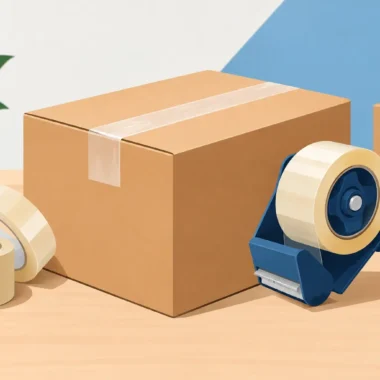
For delivery, use an outer shipping carton even if the gift already has an attractive retail box. Decorative boxes are rarely designed for transport on their own. Seal the outer box securely with suitable packing tape along the main opening and reinforce heavier cartons where needed. A fragile label can alert handlers, but it is not a substitute for correct internal protection.
Where an order contains several items, pack each one separately before placing them in the final carton. Do not allow a bottle, candle, vase or metal gift accessory to rest directly against another product. Dividers can be useful for repeated lines such as jars, candles or small bottles, particularly when packing larger batches for seasonal trade.
Common packing errors that create avoidable damage
Most breakages come from a handful of preventable mistakes. The first is underestimating movement. If a product can shift inside the box, it can build momentum and strike the carton wall. Give the packed box a gentle shake before sealing. Movement is a signal to add or reposition the fill.
The second is relying on retail packaging as transport packaging. A branded box may look substantial but can still split, dent or offer little protection at the corners. Treat it as part of the product, not as the final layer of dispatch protection.
The third is using the wrong tape or too little of it. Lightweight clear tape may be adequate for wrapping tissue, but a loaded carton needs a packing tape suited to the weight and board grade. Apply it neatly and ensure the carton flaps are fully closed before taping.
Finally, avoid packing too early where flowers, food or moisture-sensitive goods are involved. Fresh flowers may need room and ventilation, while condensation can weaken cardboard and affect decorative paper. Prepare the protective materials in advance, but complete the final pack as close to collection or dispatch as practical.
Set up a repeatable packing station
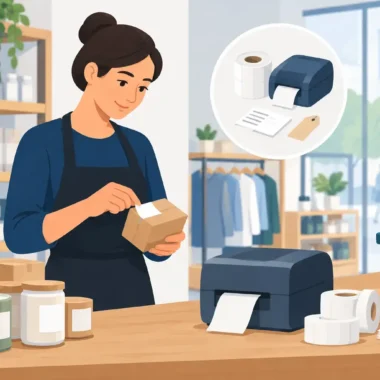
Busy periods are not the time to search for tape, cut wrapping from a mixed roll or improvise with unsuitable cartons. Keep the materials used most often together: tissue or packing paper, bubble wrap, cartons in key sizes, void fill, tape and labels. If your business packs the same products regularly, note the correct box size and quantity of protective material for each line.
This simple consistency helps staff pack faster and gives customers the same standard of presentation each time. It also makes stock control easier. Trade buyers can consolidate everyday packaging, floristry supplies and display essentials through The Baggery Sundries, reducing the time spent chasing small but essential replenishment orders from several places.
A well-packed fragile gift should feel secure before it leaves your premises and look worth opening when it arrives. Test your process with the products you sell most often, refine it where movement or damage is possible, and keep enough core packaging in stock before your next busy trading period.