A warm croissant, a freshly iced doughnut and a loaf with a crisp crust do not all need the same packaging. Choosing the best bags for bakery goods starts with the product’s condition at the point of sale, how far it will travel and the standard of presentation your customers expect. The right bag protects the bake without trapping steam, transferring grease or making a busy counter slower to run.
For bakeries, farm shops, cafés, delicatessens and market traders, bags are a daily consumable rather than an afterthought. A dependable range of paper bags, greaseproof options and carrier bags helps staff serve quickly while keeping products clean, appealing and easy to carry.
Start with the bakery item, not the bag
The most suitable bag depends on whether you are packing a dry loaf, a buttery pastry, a slice of cake or several mixed items. Temperature matters just as much as the food itself. Packing a hot product too soon can create condensation, soften a crust and weaken some paper bags.
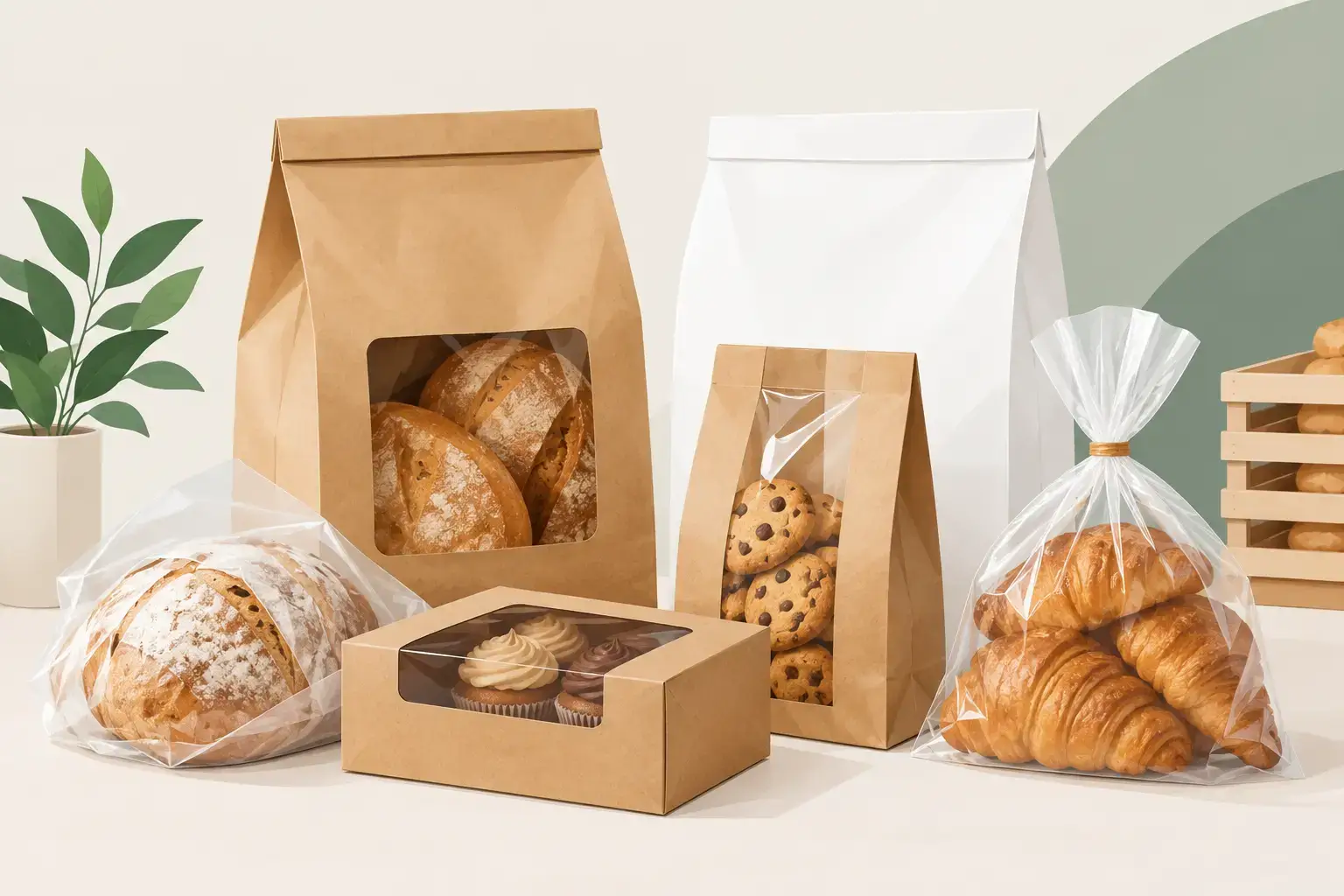
Bread is usually best in a bag that allows it to breathe. Paper bread bags are a practical choice for loaves, rolls and baguettes that are fully cooled or only lightly warm. They maintain a traditional bakery look and give customers a straightforward way to carry everyday purchases. For longer baguettes, check both the bag length and the opening width. A bag that is too short leaves the product exposed; one that is excessively wide can look untidy and use more material than necessary.
Pastries, doughnuts and buttery cookies need more consideration. Grease can show through standard kraft paper, particularly when items are warm or heavily buttered. Greaseproof bags or bags with a suitable grease-resistant lining keep the outside cleaner and give a more professional finish. This is especially useful for independent food businesses where products may be eaten on the move.
Cakes, iced bakes and delicate traybakes generally need a box or rigid tray first. A bag is then used as the outer carrier. Trying to place an iced cupcake or cream-filled slice straight into a paper bag is likely to damage the finish, create mess and disappoint the customer before they have left the premises.
Food-contact suitability comes first
Any bag intended to touch unwrapped food should be supplied as suitable for food contact. This should be a purchasing check, not an assumption based on how a product looks. Food packaging needs to be appropriate for its intended use, including the type of food, whether it is dry or greasy, and whether it is packed hot or cold.
Keep food-contact bags separate from general retail carrier bags in your ordering and storage. A paper carrier may be ideal for taking away boxed cakes or wrapped loaves, but that does not automatically make it the right choice for direct contact with pastries.
For a mixed food counter, it is often sensible to hold two or three dependable bag types rather than force one format to do every job. A standard paper bag for cooled bread, a greaseproof bag for pastries and a stronger carrier bag for larger or multi-item purchases will cover many everyday requirements without overcomplicating stock control.
Paper bags for bread and dry bakery goods
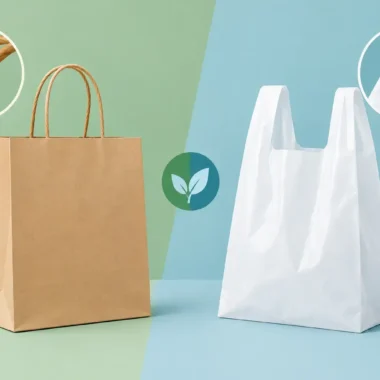
Kraft paper bags remain a practical staple for many bakery counters. They are quick to open, easy to stack and familiar to customers. Their natural appearance suits artisan bakeries, farm shops and food retailers that want packaging to look simple and considered rather than overly branded.
Paper weight and construction affect performance. A lightweight bag may be perfectly adequate for a few bread rolls, while a larger sourdough or a selection of pastries needs more strength. Consider the weight of the product, the likelihood of moisture or grease, and whether customers will carry other shopping in the same bag.
Window bags are useful where appearance is a key part of the sale. A clear panel lets customers see the crust, topping or shape of a product without opening the packaging. They work particularly well for cookies, brownies, pastries and smaller bread products. However, the window material and bag specification must still suit food-contact use where the product is unwrapped.
Paper is not always the best answer. A very fresh, still-warm loaf may need time to cool before bagging, whatever bag material you choose. Staff training on cooling and packing timings can prevent as many quality complaints as changing the packaging itself.
Greaseproof bags for pastries and savouries
For croissants, pain au chocolat, sausage rolls, doughnuts and other rich baked goods, greaseproof paper bags are usually the more reliable choice. They reduce oil marks, make the product easier to handle and keep counters looking cleaner during busy service periods.
This is not only a presentation issue. When grease soaks through a bag, it can make customers uncomfortable carrying the item and can affect labels, napkins or other products placed alongside it. A greaseproof bag gives the product a suitable first layer, particularly for single-serve items sold for immediate consumption.
If a hot pastry is going straight into the bag, avoid sealing it tightly unless the bag is specifically designed for that purpose. Steam needs somewhere to go. Excess moisture can make laminated pastry lose its crispness and can soften savoury pastry. For products that must be held warm, your packaging choice should work alongside your display and serving process, rather than trying to solve every issue on its own.
Choose sizes that work at peak trading times
The best bag is of limited use if staff have to fold, force or double-bag every order. Build your range around the sizes that match your most frequent transactions. For many businesses, that means a small format for individual pastries, a medium bag for rolls or a few baked items, and a larger option for loaves, bakery boxes or family purchases.
Measure your actual products before placing a bulk order. Consider the product dimensions, but also leave enough room for easy loading and a clean fold or closure where needed. A bag that is just large enough on paper can become impractical once a member of staff is serving quickly across a counter.
For delivery orders, click-and-collect collections or market sales, think about the full journey. A small greaseproof bag may protect a pastry, but it may then need to sit inside a larger carrier bag with other goods. Matching inner food bags with outer carriers makes service more efficient and gives the customer a better experience.
Presentation should support the product
Bakery packaging does not need to be elaborate to look professional. Clean bags in a consistent material or colour can make a counter feel organised and reinforce the quality of the goods inside. Kraft paper has broad appeal, while white paper can give a cleaner patisserie-style appearance. The right choice depends on your display, branding and customer base.
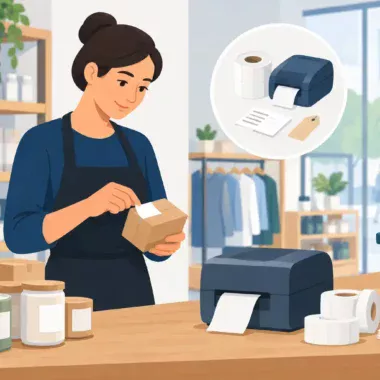
Printed bags can strengthen recognition, but plain bags are often the most flexible wholesale purchase. They can be used across bread, cakes, deli items and gift purchases, and they are less likely to become obsolete if your branding changes. Labels, stamps or small stickers can add product names, allergen prompts, dates or branding without committing to large runs of bespoke packaging.
Do not overlook the practical finish. Handles are useful for heavier or larger orders, but unnecessary for a single pastry. A simple flat bag may be quicker and more economical for counter service. Where a product is already boxed, a sturdy paper carrier bag can provide the final layer of protection and make the purchase easier to transport.
Buy for consistency, not just unit price
Wholesale purchasing should balance price with availability, quality and the amount of stock space you have. The cheapest bag is not always the best value if it tears easily, shows grease, slows down packing or requires a second bag. Equally, carrying too many specialist sizes can tie up cash and create confusion at the counter.
Review bag use after busy weekends, seasonal events and changes to your bakery range. If staff repeatedly reach for a larger bag, add an unnecessary carrier or struggle with a particular product, that is useful evidence that the specification needs adjusting. Ordering core food packaging alongside carrier bags, labels, tissue and display supplies can also reduce purchasing time and help keep essential consumables replenished.
The Baggery Sundries supplies practical packaging for trade customers who need everyday stock to be fit for purpose and ready when business is busy. For bakery goods, the most effective approach is usually straightforward: use food-contact suitable bags, match the material to the product and keep enough of the sizes your counter genuinely uses.
A bag should protect the bake, support a quick sale and leave the customer confident they have bought something worth carrying home. When it does those three things without fuss, it is doing its job properly.