A carrier bag handle is a small detail until it fails at the counter. For florists carrying a vase, farm shops packing jars, or gift retailers sending out heavier purchases, the choice between paper twist handles versus plastic affects presentation, carrying comfort, bag strength and repeat purchasing costs.
There is no single right answer for every trade business. Paper twist handles suit many brands and lighter-to-medium retail loads well, while plastic handles can be the more practical option where moisture, weight or repeated use are part of the job. The best choice starts with what customers actually carry out of your premises, not simply the lowest unit price.
Paper twist handles versus plastic handles
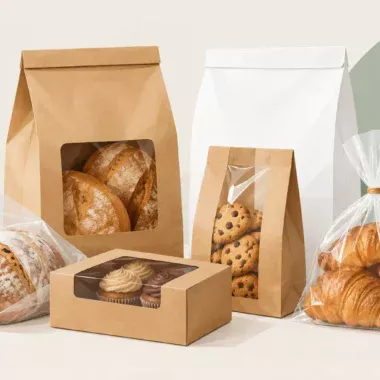
Paper twist handles are commonly fitted to paper carrier bags. Made from twisted paper cord, they give a traditional, tidy finish and are widely used by florists, gift shops, bakeries, boutiques and food-to-go businesses. Their appeal is immediate: they look appropriate with kraft paper, printed bags and natural-style packaging, and they provide a comfortable, substantial grip for everyday purchases.
Plastic handles are available in several forms, including die-cut handles on polythene bags, soft loop handles and stronger plastic carrier bag designs. They are valued for their resistance to damp conditions, flexibility and ability to cope with awkward loads. A customer leaving with a wet bouquet wrap, chilled groceries or several heavy items may find a plastic-handled bag more forgiving than paper.
The comparison is therefore not simply paper against plastic. It is about the bag material, the handle construction, the item weight and the conditions between the till and the customer’s destination.
Presentation and the customer experience
For businesses selling gifts, flowers and premium food, a paper bag with twist handles often feels like part of the finished sale rather than an afterthought. Kraft paper, coloured paper and seasonal printed designs can support the presentation of bouquets, cards, hampers, candles and small giftware without needing extra wrapping.
This matters particularly at busy periods. Mother’s Day, Valentine’s Day and Christmas create pressure to serve quickly while maintaining a professional standard. A ready-to-use paper carrier bag can make collection orders easier to manage and gives customers a bag that looks considered from the moment it leaves the counter.
Plastic handles are less decorative in many settings, but appearance is not their only job. Clear or coloured polythene bags can be useful where customers need to see the contents, where products may be damp, or where the bag is primarily a practical carry solution. For greengrocers, market traders, takeaway businesses and shops handling chilled or messy goods, that practicality can matter more than a premium paper finish.
Strength depends on the whole bag
It is a common mistake to assess a handle without considering the bag it is attached to. A well-made paper twist handle can carry a useful load when paired with the correct quality and size of paper bag. However, paper has limits. Weight concentrated in one sharp-edged box, a heavy glass vase or several jars can strain the bag base or handle attachment points, especially if the bag is carried for any distance.
Plastic handles are generally better suited to damp or demanding conditions because the material does not absorb water in the same way. They can also work well for loads with uneven shapes. That does not mean every plastic bag is suitable for heavy goods. Thin gauge polythene can stretch, tear or cut into the hand, so bag gauge and handle type must still match the intended use.
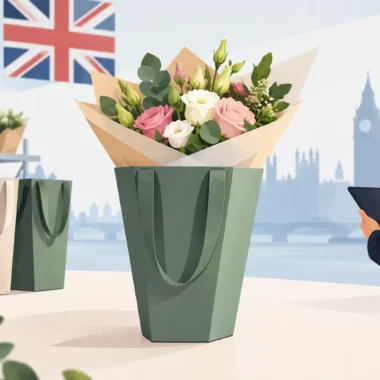
For a florist, the deciding factor may be whether the customer is collecting a hand-tied bouquet or a substantial arrangement in a glass container. A paper handled bag may be ideal for the bouquet, while a reinforced plastic carrier bag or another carrying method could be more suitable for the heavier arrangement.
Where paper twist handles are the better fit
Paper twist handles work best where the purchase is dry, reasonably contained and within the bag’s intended carrying capacity. They are a strong choice for gift retailers, card shops, bakeries, garden centres selling lighter items, independent boutiques and florists packing bouquets, accessories or smaller gift lines.
They also help when you want packaging to support a consistent shop identity. Plain kraft bags can look clean and practical, while coloured options can be matched to seasonal displays, ribbon colours or your existing wrapping materials. For businesses that use tissue paper, cellophane, labels and ribbons, a paper carrier bag can complete the same overall look.
From an operational point of view, paper bags are easy to keep by the counter, quick for staff to open and straightforward to select by size. Keeping two or three sizes in regular stock is usually more useful than trying to make one bag suit every purchase. Smaller bags prevent light items from looking lost, while a larger format gives adequate room around boxed gifts or wrapped flowers.
Paper is not automatically the best option simply because it is paper. If the customer is likely to walk home in rain, carry wet stems, or place a condensation-covered food container inside the bag, consider whether a protective inner wrap or an alternative bag is required.
Where plastic handles make commercial sense
Plastic-handled carrier bags are often the sensible working option for businesses where moisture and weight are regular issues. Farm shops, market stalls, grocers, takeaway outlets and retailers selling jars, bottles or chilled products may need a bag that stands up better to a damp surface or an unexpected shower.
They can also reduce the need for double-bagging. If staff routinely put one bag inside another because they are concerned about strength, it is worth reviewing the bag specification rather than accepting the extra material and counter time as normal. A correctly chosen plastic carrier bag may provide a more dependable result for that particular product line.
For some businesses, plastic bags are useful as a secondary option rather than the default. A gift shop might offer paper twist handle bags for standard purchases but keep stronger plastic carriers for heavier boxed items. A florist may use paper bags for presentation while reserving plastic options for wet, bulky or unusually heavy orders. This approach avoids treating all transactions as though they have the same packing needs.
Cost: look beyond the price per bag
Wholesale buyers understandably compare unit cost, but the cheapest bag is not always the lowest-cost choice in use. Consider how many bags are wasted through damage, how often staff double-bag purchases, how much time is spent finding a workaround for unsuitable packaging, and whether poor presentation affects how the sale is perceived.
Paper twist handle bags may justify a higher unit cost where they replace additional gift wrapping or provide a better finish for a retail purchase. Plastic bags may be better value where durability prevents split bags, replacements and complaints. The useful measure is cost per successful sale, not just cost per thousand bags.
Storage also deserves attention. Paper bags should be kept clean and dry so they remain presentable and retain their strength. Plastic bags take up little room and are less affected by damp, although they should still be stored tidily away from dirt, heat and sharp stockroom edges. During peak trading, both types need to be close to the packing area in the sizes staff use most.
A practical buying check before you reorder
Before placing a bulk order, test the proposed bag with the products you sell most often. Pack it as a customer would receive it, including tissue, wrapping, containers and any inserts. Then consider four questions:
- What is the typical and maximum weight likely to go into this bag?
- Could the contents be wet, chilled, sharp-edged or awkwardly shaped?
- Does the bag suit the presentation expected for this type of purchase?
- Will staff be able to pack it quickly during your busiest trading periods?
A simple counter test can prevent a costly mismatch. It also helps to separate your regular products into categories: light gift purchases, standard retail purchases, heavy goods and wet or chilled items. One bag type rarely performs equally well across all four.
Make the handle match the job
Paper twist handles and plastic handles both have a place in trade packaging. Paper generally earns its place through presentation, a comfortable carry and a natural fit with floristry and gift retail. Plastic earns its place through practical resistance to moisture, flexibility and dependable carrying for tougher jobs.
Stock the option that suits your usual sale, then keep a stronger alternative available for the exceptions. That small amount of planning helps protect the product, speeds up service and sends customers away with packaging that feels fit for purpose.