Fresh flowers may arrive looking perfectly hydrated at dispatch, then reach the customer with soaked packaging, bent stems and damaged heads. The answer to can flowers be shipped wet is yes, but only when “wet” means controlled hydration at the stem end, not loose water inside a parcel.
For florists, growers and gift retailers sending fresh product around the UK, the priority is to keep stems supplied with water while protecting the bouquet, outer packaging and carrier network from leaks. A well-prepared shipment should arrive fresh, presentable and dry on the outside.
Can flowers be shipped wet safely?
Flowers can be shipped with a water source, but they should not be placed in a box with open water. Free water moves during handling, saturates cardboard, weakens packaging and can damage other parcels. It can also lead to a carrier refusing or delaying the consignment where leakage is a risk.
The practical approach depends on the flower type, journey time, season and whether the product is being sent as a hand-tied bouquet, a boxed stem order or event stock. Hardy flowers on a next-working-day service may travel successfully with hydrated stems wrapped in damp material. More thirsty varieties, or bouquets travelling for longer, generally need a properly secured water reservoir or hydration method.
A shipment is not made safer simply by adding more water. Too much moisture encourages condensation, can mark delicate petals and creates a leak risk. The aim is measured hydration, stable packing and sufficient protection from temperature changes.
Start with properly conditioned flowers
No packing method can correct flowers that have not been conditioned properly before dispatch. Receive stock into clean water, recut stems with suitable floristry tools, remove any foliage that would sit below the water line and allow the flowers to drink before arranging or packing.
Use clean buckets and fresh water. Where appropriate for the variety and your usual working practices, a flower food or conditioning treatment can support vase life. Flowers should be cool and fully hydrated before they go into transit. Packing thirsty, warm stems in a rush is one of the most common causes of customer complaints.
Different varieties behave differently. Roses, hydrangeas, delphiniums and many mixed bouquet ingredients can be more demanding than sturdier blooms such as chrysanthemums, carnations or alstroemeria. Delicate flowers may also be more vulnerable to water splashing onto petals. Test your chosen method with each regular recipe rather than treating every bouquet in the same way.
Choose the right hydration method
For short journeys, the simplest option is often a damp stem wrap. The cut stem ends are covered with moist absorbent material, then enclosed in a waterproof layer and secured firmly. The material should be damp enough to support the stems, but not dripping. A loosely wrapped bundle will allow moisture to escape as the parcel is tipped or stacked.
Water tubes are useful for selected individual stems, particularly where a focal flower needs to remain hydrated within an arrangement. They must fit securely and be capped or sealed correctly. A water tube that comes loose inside a bouquet creates both a leak and a presentation problem.
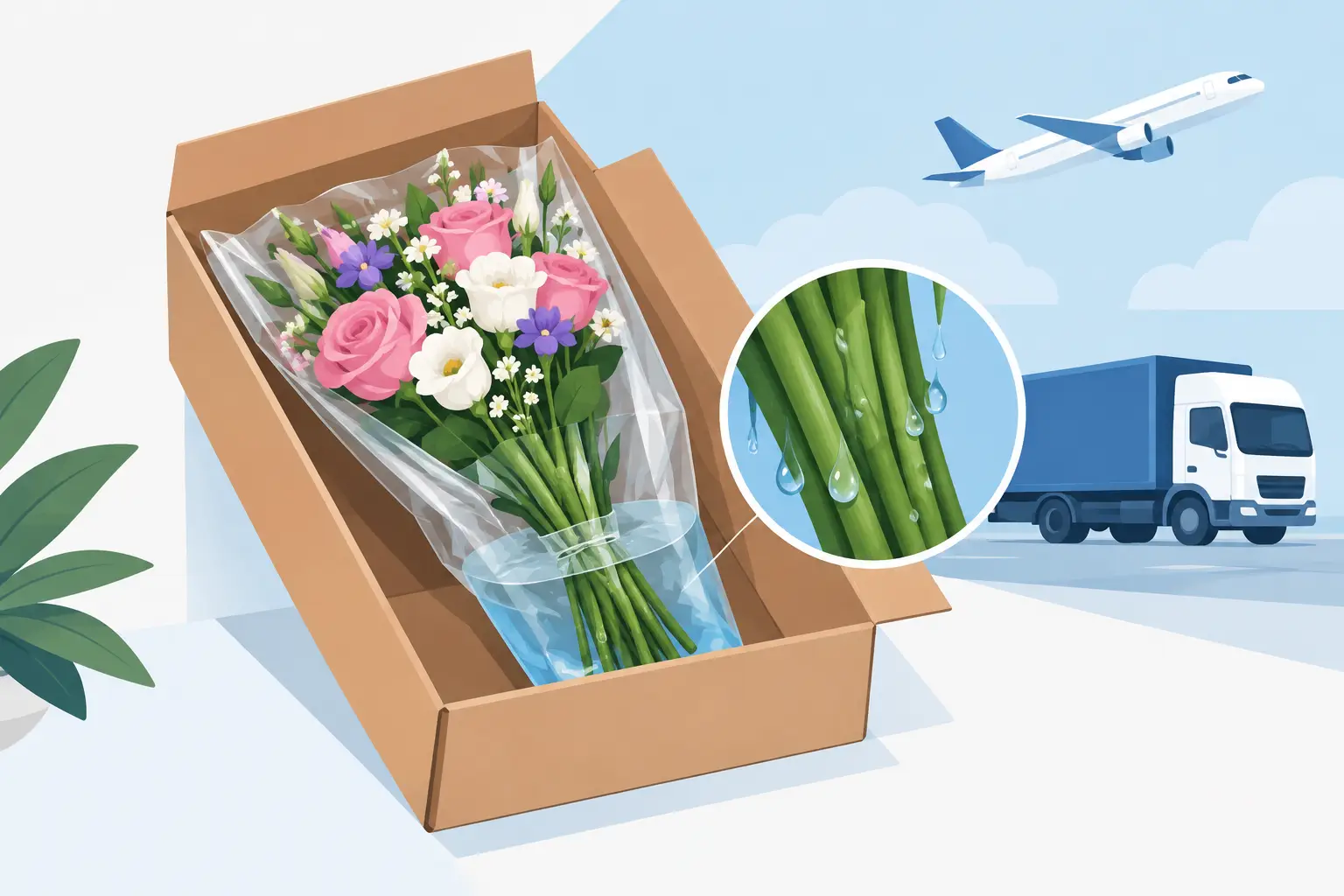
For hand-tied bouquets, an aqua pack or similar sealed water reservoir can offer better hydration where the delivery period and flower selection justify it. This needs careful assembly. The bouquet must be tied securely, the water bag must be sealed without gaps, and the outer bouquet wrapping must be chosen to contain any minor condensation while still looking professional.
Hydration packs are not always the right answer. They add weight, take more preparation time and require more protective packaging. For local deliveries or products expected to be unwrapped and placed in water quickly, a damp stem wrap may be the more efficient trade option.
Build the packing around the flowers
A flower box should hold the stems firmly enough to stop movement, without crushing the heads. The bouquet should be supported at the stem end and protected around the flower heads with suitable paper, tissue or sleeves. Empty space is the enemy: a bouquet that can slide will suffer bruising and damage whether it is shipped wet or dry.
Use a waterproof barrier around any hydration element. This can include polythene or a purpose-made bag, secured so moisture stays at the base of the stems. Keep the outer box dry. Corrugated cardboard loses strength quickly when wet, especially at corners and along the base where parcel handling puts most strain on it.
Avoid sealing flowers into an airtight plastic environment. They need protection from drafts and direct contact with wet packaging, but excessive enclosure encourages condensation. Ventilation, where appropriate to the box design and weather conditions, helps manage moisture and heat.
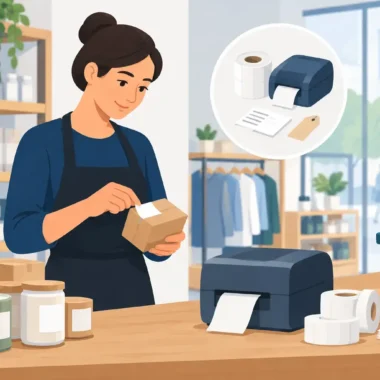
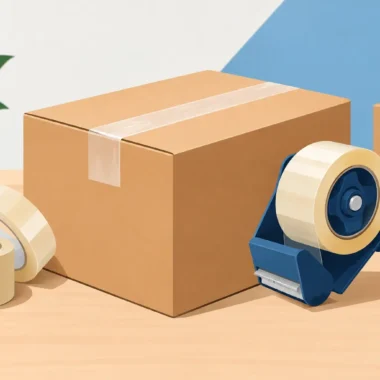
The exterior should be strong enough for normal carrier handling, with taped seams and a sound base. Labels such as “this way up” can help communicate handling requirements, but they are not a substitute for packing that remains secure if the parcel is tipped. Assume the box may be turned, stacked and moved several times before delivery.
Match the service to the product
Fresh flowers should be sent on the quickest dependable service available for the destination. Dispatch early in the week where possible, so a delay does not leave stock sitting in a depot over a weekend. Check cut-off times closely, particularly around bank holidays and seasonal peaks such as Valentine’s Day, Mother’s Day and Christmas.
Confirm the carrier’s current terms for parcels containing water, hydrated floral products or perishable goods. Requirements vary, and a carrier may distinguish between a fully sealed water source and a package that could leak. It is the sender’s responsibility to make sure the parcel is packaged within the service rules.
Weather matters as much as journey length. A box left in a cold van, warm sorting area or sheltered porch can deteriorate quickly. In winter, avoid exposing tender flowers to frost. In warmer periods, reduce unnecessary packing time, keep stock out of direct sun and arrange delivery when the recipient is likely to be available.
For premium orders, weddings or sympathy work, consider whether a courier delivery is suitable at all. A dedicated local delivery, timed route or collection arrangement may provide better control than a national parcel network. The lowest delivery cost is not always the lowest operational cost once replacements, refunds and reputation are considered.
Common mistakes that cause wet shipments to fail
The first is using an open container of water inside a box. Even if it leaves your premises upright, it is unlikely to remain upright throughout transit. The second is using soaking-wet paper without a waterproof seal. Moisture then travels through the wrapping and into the carton.
Another frequent issue is packing flowers too tightly to prevent movement. Compression bruises petals, damages foliage and prevents air from circulating. At the other extreme, insufficient void fill lets stems and flower heads shift against the box walls.
Do not send flowers that are already showing signs of stress simply because they are being packed with water. Weak stems, soft petals and overheated blooms will not recover reliably in a parcel. It is better to substitute a suitable variety, if your product terms allow, than dispatch stock that is unlikely to arrive in saleable condition.
Finally, do not overlook the recipient experience. Include clear care instructions explaining when to remove any stem wrap or water source, recut the stems and place the flowers into a clean vase. A customer who leaves stems in a sealed travel wrap for two days may blame the delivery, even where the flowers arrived in good order.
A practical dispatch check
Before sealing a box, check that flowers are conditioned, stem hydration is contained, and no water can reach the outer carton. Make sure the bouquet cannot move, the heads are protected, the box is securely taped and the selected carrier service is suitable for the expected delivery window.
For regular online orders, document the packing method for each bouquet size and test it under realistic conditions. A trial box turned on its side for a few minutes can reveal weak seals before a carrier does. Keeping the right floristry supplies, waterproof packaging, tape and protective materials to hand also prevents rushed substitutions during busy trading periods.
Fresh flowers can travel well with water at the stems, provided the water is fully contained and the rest of the parcel is built for transit. Treat hydration as one part of a controlled packing process, not a shortcut, and your deliveries are far more likely to arrive ready to impress rather than ready for a refund.