

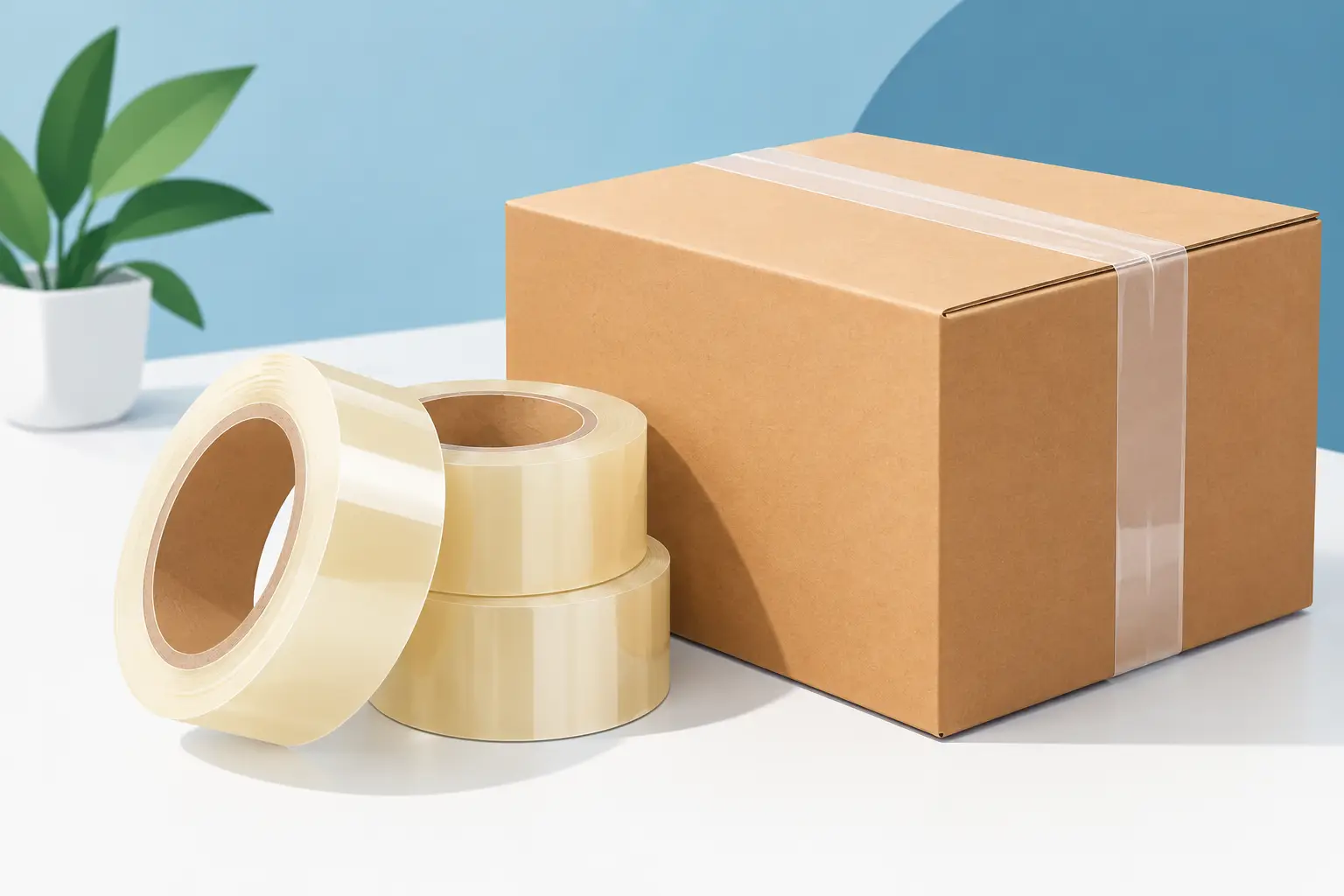
A parcel can be packed perfectly and still fail at the final stage if the seal gives way. The right adhesive tape for packaging keeps cartons closed through handling, stacking and delivery, while helping your team pack orders quickly and present goods properly. For florists, gift retailers, farm shops and other trade businesses, tape is a small consumable with a direct effect on wasted time, damaged stock and customer confidence.
The best choice is not always the strongest roll on the shelf. Carton type, parcel weight, storage conditions and how many boxes you seal each day all affect what is fit for purpose.
What adhesive tape needs to do
Packaging tape has one main job: create a dependable seal that stays closed until the customer or recipient opens it. In practice, that means the tape needs to bond properly to the surface, resist lifting at the edges and hold when the carton is under strain.
A light gift box containing tissue paper places very different demands on a seal than a heavy case of jars, food packaging or retail stock. Corrugated cardboard can also vary. Fresh, clean cartons generally offer a better surface for adhesion than dusty, recycled or heavily textured board.
For day-to-day trade packing, look beyond the roll length alone. A cheaper tape that splits, tangles, peels back or needs several strips to do the work of one is rarely a saving. Consistent performance matters more when orders need to leave promptly during busy periods.
Choosing adhesive tape for packaging by material
The backing material affects strength, handling and the type of pack it suits. It is worth matching the tape to the job rather than using one roll for everything.
Polypropylene tape for general carton sealing
Polypropylene packing tape is a practical choice for many routine packing tasks. It is widely used for sealing standard cardboard cartons, mailing boxes and parcels because it is economical, easy to apply and available in clear or brown finishes.
Clear tape keeps printed carton details, labels or presentation packaging visible. Brown tape gives a more conventional warehouse finish and can blend neatly with kraft cartons and paper-based packaging. Both can be suitable for general dispatch work, provided the adhesive and thickness are appropriate for the box weight.
Polypropylene tape can be noisier to unwind than some alternatives. That may not matter in a stockroom, but it can become noticeable in a busy packing area where several people are preparing orders at once.
PVC tape for a quieter, more premium feel
PVC tape is valued for smooth application, quieter unwinding and a strong, tidy seal. It is often a good option where staff are packing continuously or where presentation is part of the customer experience, such as gift retail, floristry and higher-value products.
It generally conforms well around cartons and is less likely to snap during application than lighter tapes. The trade-off is cost: PVC tape is usually a higher-cost choice than basic polypropylene. For light, occasional packing, that extra spend may not be necessary. For frequent use, the easier handling can justify it.
Paper tape for kraft and paper packaging
Paper packing tape is increasingly considered where businesses want a paper-led presentation or are using kraft cartons and packing paper. It can provide a smart, cohesive appearance and may suit retailers aiming to reduce mixed materials in their packing process.
However, paper tape is not automatically the right choice for every parcel. Check whether the adhesive is suitable for the intended carton surface, storage conditions and parcel weight. Reinforced paper tape can offer greater holding strength for heavier packs, while standard paper tape may be better suited to lighter cartons and presentation use.
Adhesive strength is only part of the answer
Tape performance depends on the adhesive as well as the backing. Hot melt, acrylic and solvent-based adhesives each have different characteristics, particularly where temperature and long-term storage are concerned.
For normal indoor packing and quick dispatch, a good general-purpose tape may be all that is required. If cartons may be stored in a cold outbuilding, loaded into chilled areas or exposed to significant temperature changes, test the tape first. Adhesion can suffer when surfaces are cold, damp or dusty.
Heavy cartons need more than a stronger adhesive. The box itself must be in good condition, and the sealing method needs to spread the load. A single strip down the centre may be adequate for lightweight cartons, but heavier boxes benefit from the H-seal method: one central strip along the seam, plus strips across both open edges. This reinforces the areas most likely to lift or split during transit.
Get the width and length right
Tape width should match the size and weight of the carton. Narrow rolls are useful for smaller boxes, lightweight goods and general wrapping tasks. Wider tape covers more of the seam and gives better security on larger cartons.
A 48 mm roll is a common all-round packing width because it works well across many standard cartons. Wider formats can make sense for bulky or heavier boxes, while narrower tape can be easier to control on small gift boxes and compact parcels. Using tape that is too narrow for a heavy carton often leads to doubled-up strips and slower packing.
Roll length affects how often staff stop to replace tape. Shorter rolls can be suitable for low-volume counter use or occasional packing. Businesses sending regular orders may find longer rolls more practical, reducing changeovers and keeping packing benches moving. The right balance depends on your dispenser, available storage and daily volume.
A dispenser makes packing quicker and neater
Hand-held tape dispensers are a worthwhile addition wherever cartons are sealed regularly. They keep the roll under control, apply tension and cut a clean length in one movement. That is faster than searching for the tape end and tearing it by hand, especially when orders are building up.
A dispenser also helps achieve consistent application. Tape should be pulled firmly enough to sit flat across the seam, but not stretched so tightly that it contracts and lifts later. Apply pressure along the full strip once it is in place, paying particular attention to the ends.
Keep a dedicated dispenser for each tape width used most often. This avoids wasted time swapping rolls and makes it easier for staff to choose the correct tape for the carton at hand.
Common packing tape problems and how to avoid them
When tape fails, the cause is often straightforward. If it will not stick, inspect the carton surface first. Dust, moisture, cold temperatures and recycled board fibres can all reduce adhesion. Store tape in a dry indoor area and allow cold cartons to warm where possible before sealing.
If tape snaps while applying it, the roll may be too light for the task, the dispenser blade or roller may need attention, or the tape may be pulled at an awkward angle. If seals lift at the edges, use a wider or more suitable tape, apply firm pressure and ensure the box is not overfilled.
Do not use packaging tape as a substitute for a sound carton. If a box is split, badly crushed or carrying more weight than it was designed for, extra tape will not make it safe for transit. Repacking takes time, but it is preferable to dealing with damaged goods, returns and customer complaints.
Stock tape as an operational essential
Tape is easy to overlook until the last roll runs out halfway through a busy dispatch. Keeping a sensible reserve in the packing area avoids delays and prevents staff from using unsuitable alternatives such as labels, decorative tape or lightweight stationery tape.
It is practical to standardise on one or two dependable tape types for most work, then keep a specialist option for heavier cartons or presentation packaging. This makes reordering simpler and gives staff a clear process. As part of a wider packaging order, tape can sit alongside cartons, carrier bags, tissue, cellophane, labels and packing paper, helping reduce the time spent sourcing everyday consumables from multiple places.
The right roll will not draw attention to itself. It will unwind cleanly, seal first time and let your team move on to the next order – exactly what dependable trade packaging should do.












