A box that opens at the bottom on its way to a customer costs more than a roll of tape ever will. If you are asking what tape seals cardboard boxes properly, the practical answer is carton-sealing tape matched to the box weight, board surface and conditions it will face in storage or transit.
For most day-to-day retail packing, clear or brown polypropylene packing tape is the sensible choice. It is economical, easy to use and suitable for sealing standard corrugated cardboard cartons. But heavier orders, recycled board, cold storerooms and long journeys can all call for a different adhesive or a stronger tape construction.
What tape seals cardboard boxes for everyday packing?
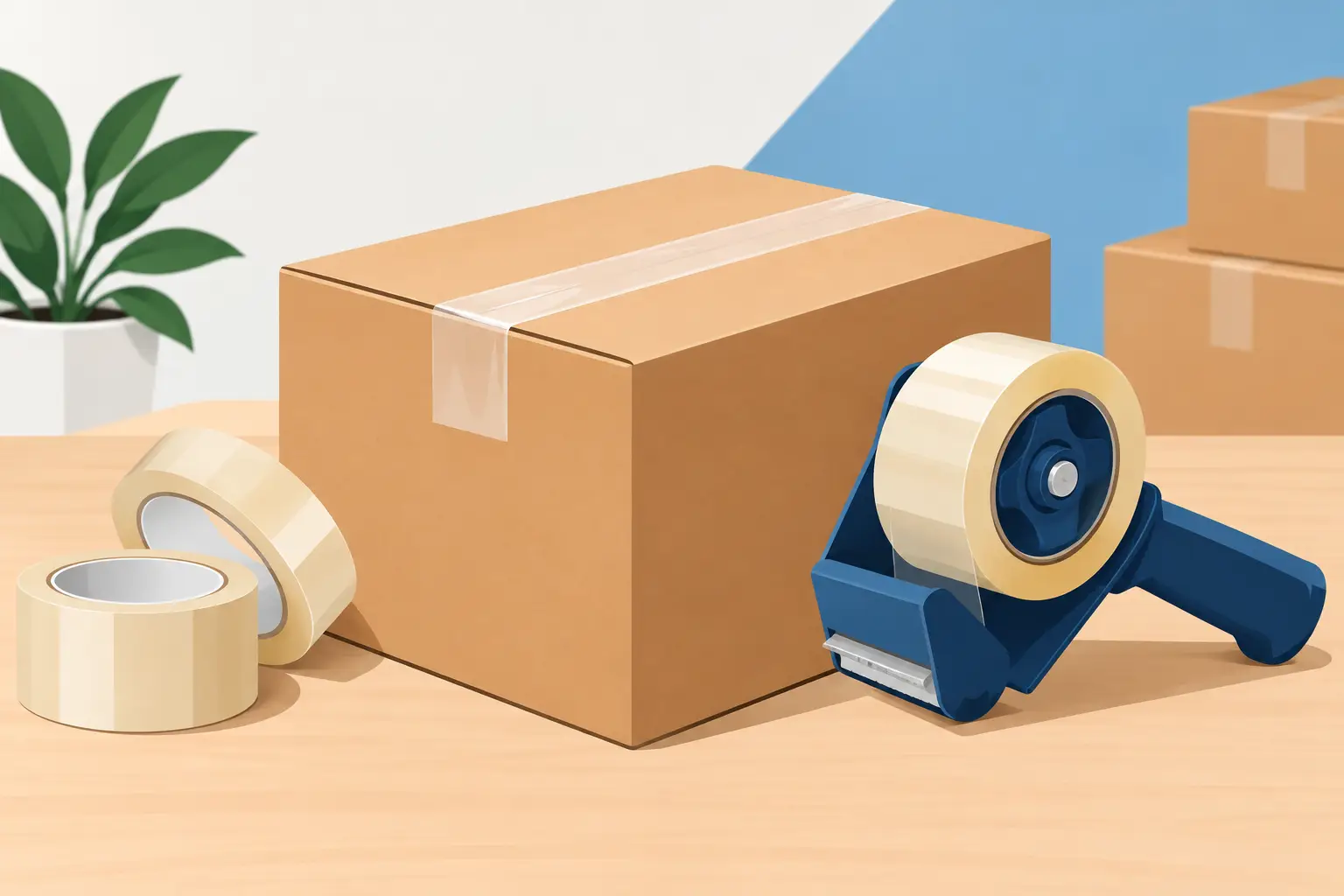
Polypropylene packing tape, often called parcel tape or brown tape, is the usual choice for everyday carton sealing. It is available in clear or brown, works with standard hand dispensers and gives a neat, professional finish for stock transfers, customer orders and general storage.
The important part is not only the backing film. The adhesive determines how well the tape grips the carton. Acrylic adhesive is commonly used for regular packing work and offers good ageing resistance. It suits clean, dry cartons stored in normal indoor conditions. Hot-melt adhesive has a more immediate grab and is often a better option where staff need to pack quickly or boxes have a slightly more challenging surface.
For a light to medium-weight box with properly closed flaps, one central strip along the top and bottom seam is normally enough. Choose a tape width that gives adequate coverage over the join – 48mm is a common practical width for trade packing. Narrower tape can be useful for light parcels, but it leaves less margin for imperfectly folded flaps.
Brown tape is often preferred for brown corrugated cartons because it looks tidy and less conspicuous. Clear tape is useful where printed carton information, handling labels or stock details need to remain visible. Both can perform well when the adhesive grade is right for the job.
Match the tape to the carton, not just the contents
A common packing mistake is selecting tape based only on what is inside the box. The carton itself matters just as much. New double-wall board gives tape a firm surface to bond to. Thin, dusty or heavily recycled cartons may be less easy to seal, even when the contents are relatively light.
Cardboard that has been kept in a damp stockroom can also cause problems. Tape adhesive bonds to the outer paper fibres, so moisture, dust and loose fibres reduce its hold. Before sealing, make sure the carton is dry and close the flaps squarely. Tape cannot compensate for a crushed box or a gap caused by overfilled contents.
For standard wholesale replenishment, consider these practical combinations:
- Light giftware, cards, artificial flowers or empty packaging: standard polypropylene packing tape is usually sufficient.
- Medium-weight retail goods and mixed cartons: use a good-quality hot-melt polypropylene tape and seal both top and bottom.
- Heavy jars, food products, glassware or dense stock: choose a stronger tape and use an H-seal pattern.
- Long-term storage, export packing or cartons exposed to temperature changes: select an adhesive designed for demanding conditions rather than the lowest-cost roll.
The H-seal pattern adds strips across both edge seams after the centre seam has been taped. It takes a little longer, but it supports the areas most likely to lift when a carton is handled repeatedly. For high-value or heavy stock, that extra material is usually justified.
When paper packing tape is the better option
Paper packing tape is a strong choice for businesses that want a more recyclable-looking finish and a tape that can be torn by hand in some grades. It suits gift retailers, florists, farm shops and businesses where outer presentation matters alongside secure packing.
Self-adhesive paper tape is straightforward to apply and works well on clean cardboard. Water-activated gummed paper tape creates a particularly firm bond because the adhesive keys into the carton surface. Once applied correctly, it is difficult to remove without visibly damaging the box, which can provide useful tamper evidence.
There are trade-offs. Gummed paper tape needs a water-activated tape dispenser or a manual wetting method, so it may not be the quickest option for a low-volume bench without the right equipment. It should also be kept dry before use. Self-adhesive paper tape is simpler, though it may not offer the same level of performance as reinforced gummed tape on very heavy cartons.
Paper tape is not automatically the right choice simply because the box is cardboard. If dispatch staff need rapid, repeated application across a busy counter or packing station, polypropylene tape and a reliable dispenser may be more efficient. The best choice is the one that holds securely without slowing the operation down.
Use filament tape for heavy or awkward cartons
Filament tape, also known as strapping tape, contains glass fibre filaments that give it much greater tensile strength than ordinary parcel tape. It is designed for demanding jobs: reinforcing heavy cartons, bundling long items, securing boxes with strained flaps or adding support where a standard seal may be at risk.
It is particularly useful when a carton contains dense goods or when several packs need to be held together for internal movement. It should not be treated as a substitute for a suitable outer carton. If the board is too weak for the load, stronger tape may delay failure rather than prevent it.
Because filament tape is harder to tear and can be less convenient to remove, it is best reserved for jobs that genuinely need its strength. For ordinary cardboard boxes, it can be unnecessary expense and make unpacking less pleasant for the recipient.
Temperature, storage and adhesive choice
Tape performance changes with the environment. A carton sealed in a warm packing area may travel in a cold delivery vehicle, sit in an unheated warehouse or be stored near a door where condensation is common. Low temperatures can reduce initial tack, especially if the tape and cartons are cold when packed.
Acrylic tape generally performs well over time and is a dependable choice for normal storage. Hot-melt tape gives quicker adhesion and is useful for fast-paced packing. Solvent adhesive tape is often selected for more difficult surfaces or colder conditions, although it may cost more. The right balance depends on the volume of cartons you seal, the weight of goods and where those boxes go after dispatch.
Do not store tape rolls in direct sunlight, against heaters or in damp conditions. Keep them in a clean, dry area at a moderate temperature. A roll that has gathered dust at the edge or been exposed to excessive heat may not perform as expected, even if the specification is correct.
Apply carton tape properly
Even good tape fails when it is applied badly. Run the tape over the centre join with enough length to extend down each side of the carton. Press it firmly onto the board, particularly at the edges, rather than relying on a quick pull across the flaps. A hand tape dispenser helps maintain tension, speeds up repetitive work and produces a cleaner cut.
Avoid stretching polypropylene tape excessively. It may look tight when applied, then contract and lift at the edges. Likewise, do not try to seal a carton whose flaps are pushing upwards because it is overfilled. Repack into a larger box, reduce the contents or use suitable void fill so the lid closes naturally.
For businesses packing a mixture of floristry supplies, giftware and retail goods, it is worth keeping more than one tape type on hand. A general-purpose carton tape will cover routine orders, while a stronger roll for heavier cartons prevents last-minute improvisation during busy periods.
The most economical tape is not always the cheapest roll. It is the tape that seals first time, suits your cartons and keeps your goods protected until they reach the customer. A well-stocked packing bench with the right tape, dispenser and carton sizes makes dispatch faster, neater and far less prone to avoidable returns.