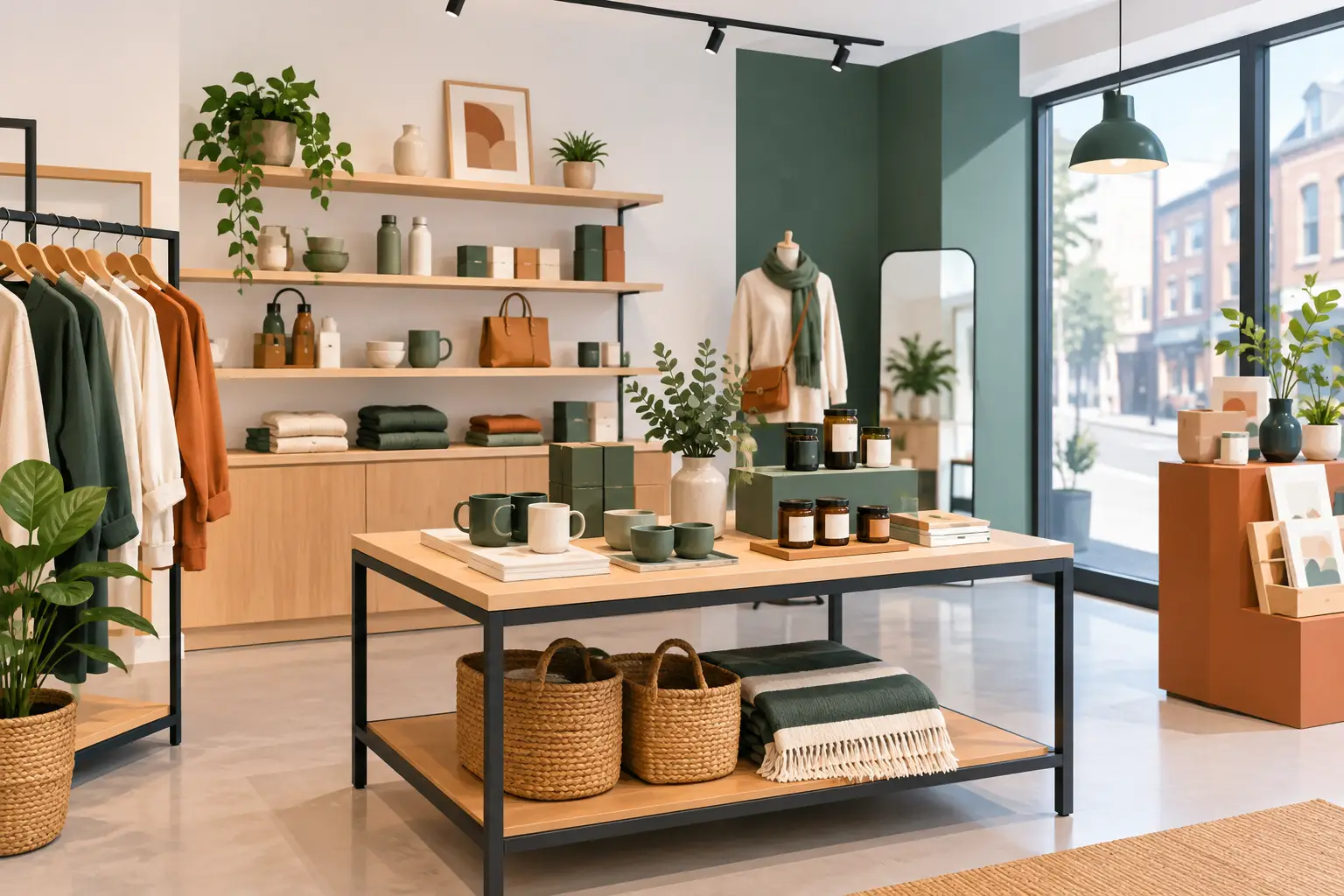
A display that looks good at 9am but becomes difficult to shop by lunchtime is not doing its job. For independent retailers, florists, garden centres and food-to-go businesses, retail display trends 2026 are less about dramatic shop refits and more about making every fixture, sign and package work harder. The strongest displays will help customers find, understand and buy products quickly, while remaining realistic to replenish during a busy trading week.
Retail display trends 2026: practical rather than precious
The move towards practical merchandising is set to continue. Shoppers may respond to a well-presented window or a seasonal focal point, but once they are in the shop they expect clear pricing, sensible product groupings and stock that looks available rather than picked over. A visually busy display can still be effective, particularly in floristry and gift retail, but it needs a clear route into a purchase.
For smaller businesses, this means choosing display components that can be used in more than one way. Baskets can hold gift ranges, wrapped plants or food hampers. Crates, risers and shallow trays can introduce height on tables without permanently committing the space to one category. Chalkboards, ticket holders and labels allow prices or offers to change without producing fresh signage every time a line changes.
The trade-off is that adaptable displays can look generic if every product is placed in the same container. Keep a simple base of reusable fixtures, then change the colour, wrapping, backing material or signage to give each season its own character. This is usually a better use of budget than replacing large display furniture several times a year.
Make merchandising easier to shop
A strong display should answer three questions quickly: what is this, how much is it and what goes with it? In 2026, retailers will continue to favour merchandising that makes these answers obvious without relying on a member of staff being free to explain.
Build height without blocking the view
Layering products at different heights remains one of the most reliable ways to improve a flat counter, table or window. Low trays can carry smaller impulse items, while baskets, vases, plinths or crates lift focal products behind them. The aim is to create depth without hiding stock or making customers reach awkwardly.
For florists, this may mean grouping ready-made bouquets by price point, with taller stems and larger arrangements towards the rear. Gift shops can use a similar approach for candles, cards, soft toys and small seasonal lines. Farm shops and delis can raise premium preserves, confectionery or gift packs above everyday staples, giving customers a natural reason to browse the range.
Avoid putting too many small items at different levels simply for effect. If stock cannot be seen, picked up and returned easily, it will slow the sale and make replenishment harder.
Sell in useful combinations
Cross-merchandising is becoming more purposeful. Rather than placing unrelated products together to fill a space, retailers are using displays to suggest a complete purchase. A bouquet can sit beside a card, tissue paper and a gift bag. A garden centre can group pots with plant labels, wrapping and seasonal gift items. A food retailer can build a ready-to-gift display around preserves, confectionery, bottles and carrier bags.
This approach works best when the add-on is affordable and immediately relevant. It depends on the product and the location: a carefully styled gift table suits a boutique, while a counter display near the till needs quick, low-value items that can be chosen in seconds.
Materials and colour will earn their place
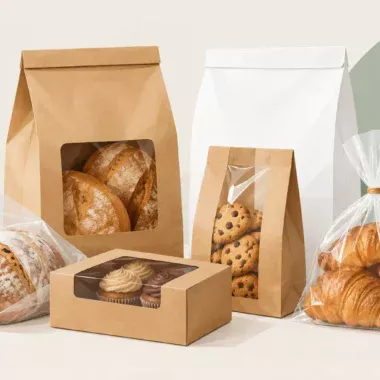
Natural-looking textures will remain popular, but the useful lesson is not simply to add kraft paper, wicker or wood to every display. These materials work because they bring warmth and contrast to packaged goods, flowers and glossy retail fixtures. They also suit a broad range of occasions, from spring planting and Mother’s Day through to autumn gifting and Christmas hampers.
Kraft paper, paper carrier bags, baskets, jute-style ribbon and neutral card tags can create a consistent base across departments. Against this, seasonal colours can be introduced through cellophane, tissue, ribbon, artificial flowers, coloured labels or a small run of display accessories. This makes changeovers faster and keeps leftover stock more manageable.
Colour still matters, particularly when a display must be noticed from the pavement or across a busy shop floor. However, a limited colour palette is often more commercially effective than trying to represent every shade in a range. Choose one main seasonal colour, one supporting colour and a neutral base. The product should remain the focus.
Better retail displays need clearer pricing
One of the most valuable retail display trends 2026 will be clearer, more consistent price communication. Customers are increasingly careful about what they spend. They do not want to ask for the price of every bouquet, gift item or promotional pack, and staff should not have to repeatedly explain it.
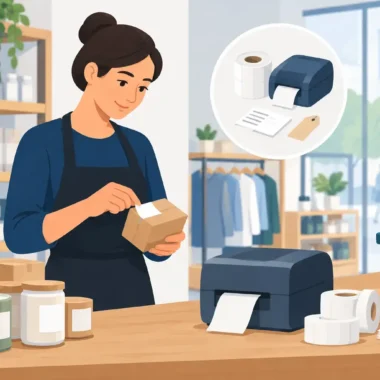
Use matching ticket holders, price labels or chalkboard signs across a display so the information is easy to scan. Make the price prominent, then add only the detail that supports the decision, such as size, variety, offer period or bundle saving. Small handwritten tickets can feel appropriate for a local florist or farm shop, provided they are legible and kept current.
Where products are grouped by price point, state this clearly. For example, a table of gifts under £10 or a bouquet stand starting at a stated price gives customers permission to browse. It also helps staff direct customers efficiently during peak periods such as Valentine’s Day, Mother’s Day and Christmas.
Plan for fast seasonal changeovers
Seasonal retailing is not new, but the pressure to switch quickly is growing. Windows and feature tables need to move from one event to the next without leaving a gap in presentation or tying up staff for a full day. The answer is to plan the display structure separately from the seasonal stock.
Keep core equipment such as baskets, display stands, trays, price holders, hooks and counter units in regular use. Then prepare seasonal elements in labelled boxes: ribbons, decorative picks, artificial stems, wrapping materials, signage and suitable packaging. When the time comes to change over, the team is replacing the visible theme rather than rebuilding the whole display.
It pays to order consumables with the display in mind. A Valentine’s range might require bouquet bags, cellophane, ribbon, gift bags, cards and labels in compatible colours. At Christmas, the same principle applies to hampers, baskets, tissue, carrier bags and price tickets. Buying across these categories together reduces the risk of a finished product looking inconsistent because one essential material has run out.
Keep displays replenishable during trading hours
The best-looking fixture is of limited value if it takes too long to refill. Before committing to a display layout, consider where reserve stock will be held, how packaging will be accessed and whether staff can replenish without dismantling the front row.
Use display quantities that look full but do not consume all available stock at once. Store additional bags, cards, wrapping or packaged items close enough for quick top-ups, particularly near tills and counter displays. For loose products, use trays or baskets that can be lifted out and refilled away from customers rather than restocked item by item on the shop floor.
This is also where dependable supply matters. Display standards tend to slip when businesses are making do with mismatched packaging, temporary price signs or whatever is left in the storeroom. Maintaining a simple reorder list for regularly used display and packaging lines helps protect presentation when trading is busiest.
For businesses managing flowers, gifts, food and everyday retail lines, The Baggery Sundries can provide a practical range of packaging, floristry supplies and point-of-sale essentials in one wholesale order. The priority is not chasing every new visual fashion. It is having the materials on hand to keep your shop looking organised, current and ready to sell.
A worthwhile display plan for 2026 should leave room for the unexpected: a late delivery, a fast-selling line, a sudden weather change or a local event. Choose flexible fixtures, keep pricing clear and hold enough compatible packaging to respond quickly. That is the kind of presentation customers notice because it makes buying easier.