A seasonal display can earn its floor space only if it helps customers notice, understand and buy what is in front of them. The best seasonal shop decorations do more than make a window look timely. They create a clear reason to browse, support gift purchases and make everyday stock feel relevant to the season.
For independent florists, gift shops, farm shops, garden centres and food retailers, the challenge is keeping presentation fresh without tying up cash in decorations that only work for a fortnight. The most effective approach is to build a practical base of reusable display materials, then add seasonal colour, packaging and point-of-sale details where they will have the greatest effect.
Start with the selling areas, not the theme
It is tempting to choose a theme first: spring garden, summer fête, autumn harvest or Christmas sparkle. In practice, start by walking through the shop as a customer would. Identify the window, entrance, till point and key product tables. These are the areas where a seasonal change has a commercial purpose.
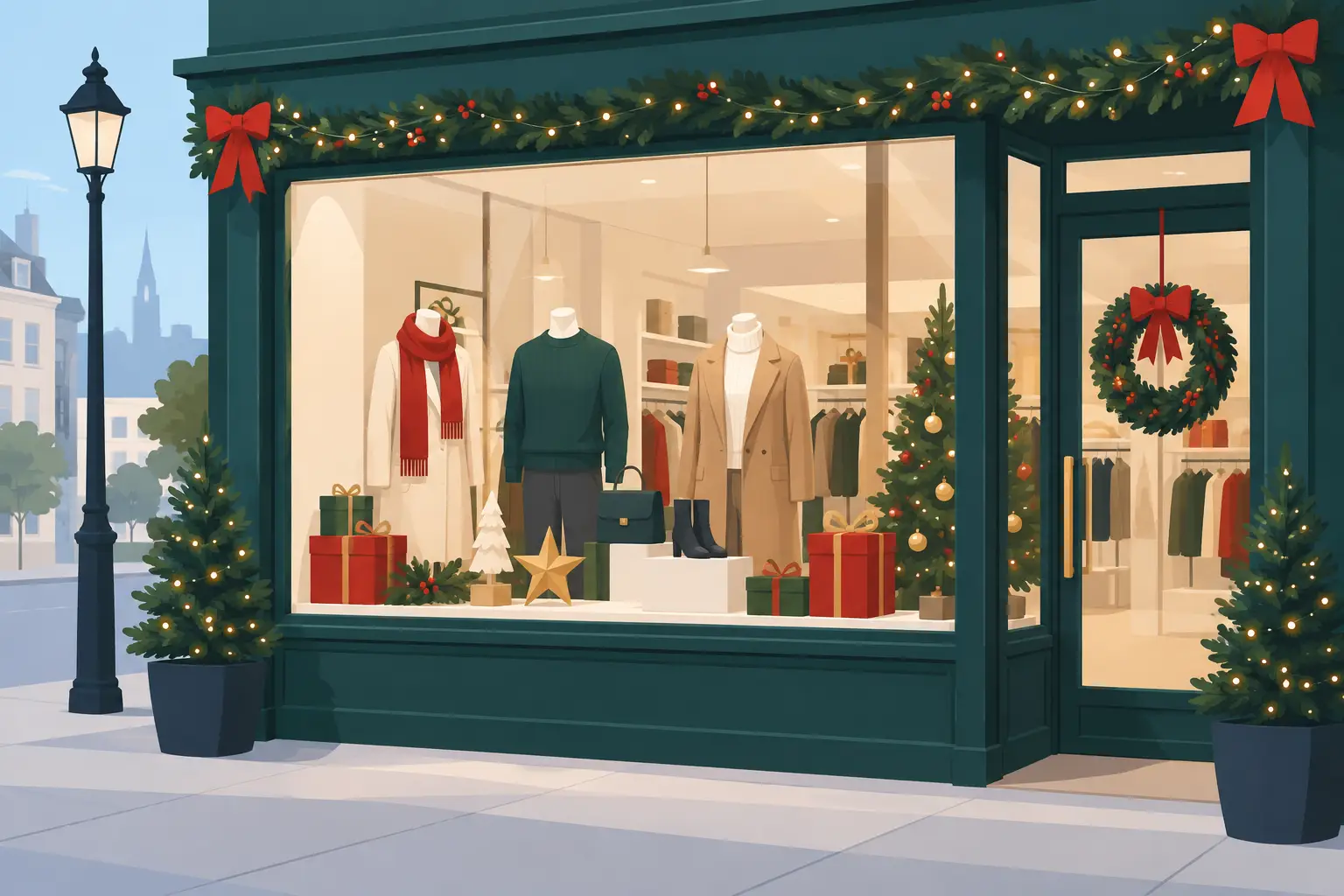
A window should give passers-by an immediate cue about what is available inside. A small florist might use a coordinated display of artificial stems, baskets and wrapped bouquets for Mother’s Day, while a farm shop may use crates, chalkboard-style signs and natural textures to bring attention to seasonal produce or hampers. The aim is not to fill every surface. It is to make the offer easy to read from a distance.
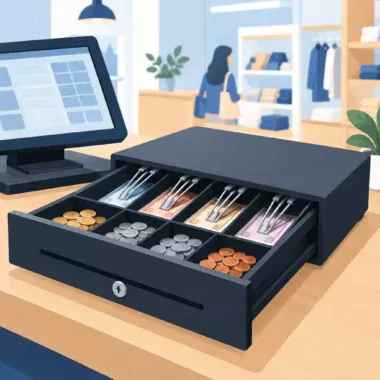
At the entrance, use one strong focal display rather than several competing ideas. A basket stand, display bowl or a simple grouped arrangement can direct customers towards featured gifts, flowers or food lines. Near the till, smaller seasonal details work best when they support quick additions to a purchase: cards, ribboned gift bags, labels or ready-to-wrap items.
Build the best seasonal shop decorations around reusable basics
Buying entirely new decorations for every event quickly becomes expensive and difficult to store. A more dependable plan uses neutral fixtures and display materials throughout the year, with seasonal elements added as required.
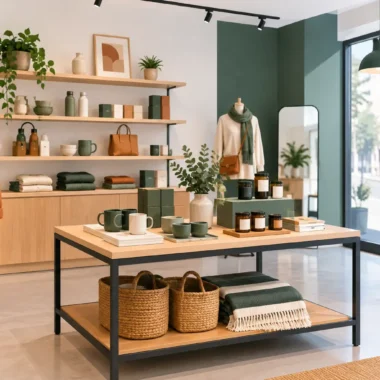
Natural baskets, wooden crates, glass vases, ceramic containers, kraft paper, tissue paper and plain carrier bags are useful foundations because they suit many product types. They also work across several seasons. For example, a woven basket can hold spring planted arrangements, summer picnic gifts, autumnal dried flowers or Christmas food hampers simply by changing the contents and finishing touches.
Colour is usually the quickest way to move the display into a new season. Ribbons, cellophane, bouquet bags, tissue and gift packaging can introduce a controlled colour palette without requiring a full refit. Pastels suit early spring and Easter, brighter colours can carry summer promotions, richer tones work well for autumn, and deep reds, greens, golds or winter whites immediately signal the festive trading period.
There is a trade-off here. Highly themed items may create a stronger short-term impact, but they have a shorter selling window and require storage until the following year. If space is limited, reserve highly specific decorations for your biggest seasonal opportunities and rely on adaptable materials for the rest.
Make packaging part of the display
Seasonal packaging should not be treated as an afterthought behind the counter. Stacked gift boxes, neatly presented carrier bags and rolls of coordinating ribbon can become part of the merchandising, particularly in a gift shop or florist.
This is also where presentation and operational efficiency meet. If staff can select a suitable bag, wrap and finishing ribbon quickly, the business can maintain a professional result during busy periods. Pre-cut ribbon lengths, clearly stored tissue and a limited number of colour combinations prevent the wrapping station from becoming slow or untidy.
For food retailers, seasonal labels, bakery bags, hamper trays and food-safe presentation materials can make a standard product line feel ready to give. The decoration must always leave enough room for clear pricing, ingredients, allergen information and any required product details.
Match decoration to the season’s buying behaviour
Not every seasonal occasion needs the same level of investment. Think about why customers are buying and which product lines need additional attention.
Spring and Easter
Spring displays benefit from a clean, fresh appearance. Artificial flowers, blossom branches, pastel ribbon and light-coloured packaging can make a small area feel brighter without overloading it. Florists may focus on hand-tied bouquet options and planted gifts, while gift retailers can group cards, small treats and ready-made presents around a simple floral display.
Easter often has a shorter trading period, so choose items that can be changed over easily. Yellow, green, lilac and soft pink packaging can continue into the wider spring season once Easter-specific details have been removed.
Summer events and local occasions
Summer selling is often shaped by local events: weddings, village fêtes, school leavers, garden parties and tourist trade. Rather than committing to one broad summer theme, use flexible displays that can be refreshed around the event calendar.
Bright ribbon, clear cellophane, artificial foliage and baskets are particularly useful for floristry and gift presentation. For market traders and farm shops, simple signs, display trays and carrier bags that keep purchases tidy matter more than elaborate props. Outdoor-facing displays need secure, wipe-clean materials and should not rely on lightweight items that will move in the wind.
Autumn and harvest displays
Autumn gives retailers a good opportunity to add warmth and texture. Dried flowers, artificial berries, rustic containers, kraft packaging and richer ribbon shades work across flowers, gifts and food. The strongest displays tend to use a restrained palette, such as orange and brown with a touch of burgundy or forest green, rather than every autumn colour at once.
This is also a practical time to prepare for Halloween and bonfire-related trade without allowing those brief events to take over the whole shop. A compact themed section near the entrance or till can be enough, leaving the main display suitable for the longer autumn period.
Christmas and winter trading
Christmas usually justifies the widest change in display because customer behaviour shifts towards gifting, entertaining and last-minute purchasing. Even so, a busy shop can look crowded very quickly. Choose one main colour direction and repeat it through the window, gift-wrapping area, bouquet presentation and till display.
Florists may need room for ready-made arrangements, wreath materials and festive bouquet packaging. Gift and food retailers need clear routes to hampers, cards and impulse purchases. Decorations should frame these products, not block access to them. Keep aisles, counter space and fire exits clear, especially when additional stock is brought forward for peak trade.
Keep point-of-sale clear and commercially useful
Seasonal decoration has to work alongside practical retail information. A beautiful hamper display loses value if customers cannot see the price, and a table of gift items is less likely to convert if shoppers do not understand the offer.
Use ticket holders, labels, price guns and signs consistently. Where several items are intended to be bought together, make that clear with grouped pricing or simple wording such as ‘build your own gift box’. For florists, showing a starting price for seasonal bouquet ranges can reduce hesitation and speed up conversations at busy times.
Avoid using too many fonts, colours or handwritten messages in one area. If the decoration is colourful, keep the ticketing straightforward. If the products are visually neutral, a bolder sign can do more of the work. Good point-of-sale gives customers confidence that the display is for sale, not just for show.
Plan stock, storage and changeovers early
The best seasonal displays are usually planned before the rush starts. Check last year’s sales, delivery lead times and the storage space available before ordering. It is frustrating to have strong demand for Mother’s Day bouquets or Christmas hampers but run short of the bags, ribbon, cellophane or labels needed to finish them properly.
Create a simple seasonal kit for each major period. Store reusable items together, label boxes clearly and remove damaged or tired-looking materials after each changeover. This saves staff time and makes it easier to see what needs replenishing.
For businesses managing flowers, gifts, food packaging and general retail supplies, consolidating those requirements with one trade supplier can reduce ordering time and prevent incompatible packaging choices. The Baggery Sundries supports this sort of practical purchasing with a broad range covering floristry, presentation, packaging and point-of-sale essentials.
A good seasonal display does not need to be complicated or costly. Choose materials that suit your stock, make pricing visible and leave staff enough room to serve customers properly. When the next trading period arrives, the aim is simple: have the right display materials ready before the first customer asks for the season’s best seller.