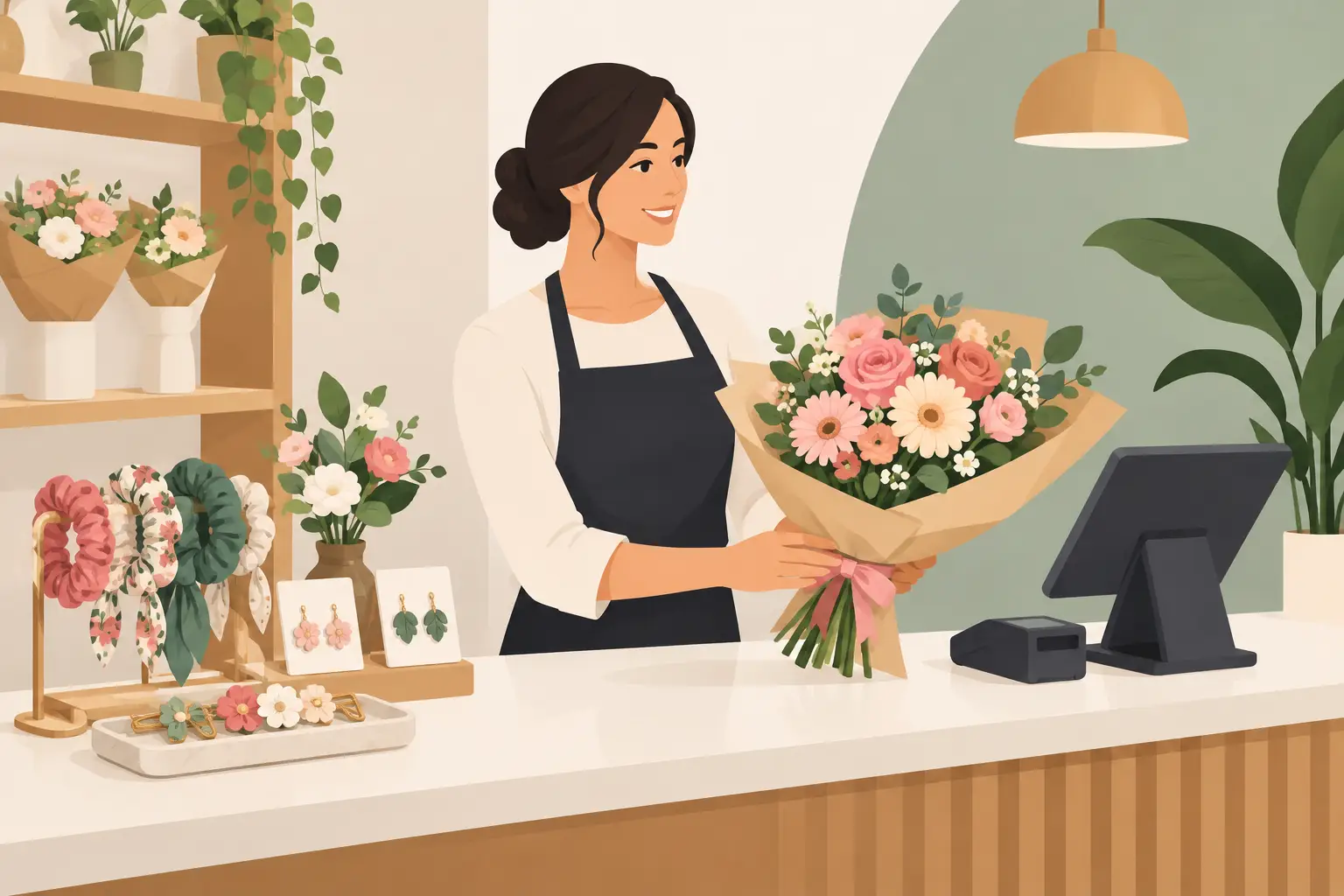
A bouquet can be well made and still lose value at the counter if the finishing is rushed. The right floral accessories protect the work, make the price feel justified and help staff serve customers quickly when orders are stacking up. For florists, gift shops, garden centres and market traders, these are not optional finishing touches. They are working stock that supports presentation, transport and repeatable service.
What Floral Accessories Need to Do
The most useful accessories earn their space in the workroom. They should either improve the appearance of the finished product, make it safer to carry, reduce handling time or help merchandise sell. Ideally, one item will do more than one of these jobs.
A bouquet bag, for example, can keep stems and wrapping together in transit while giving the order a clean retail finish. A well-chosen ribbon can secure the wrap, introduce a seasonal colour and make a standard arrangement feel more considered. A card holder or pick can carry a message without damaging petals or forcing staff to improvise.
The practical test is simple: can the item be used consistently across busy orders without creating waste, delay or unnecessary cost? A beautiful accessory that is awkward to apply at a Saturday rush will not be the right choice for every line.
Floral Accessories for a Professional Finish
Ribbon, bows and ties
Ribbon remains one of the quickest ways to change the character of a bouquet or gift. Satin ribbon gives a polished finish for weddings, formal occasions and premium arrangements. Raffia, jute and natural-look ties suit rustic displays, dried flowers and farm shop gifting. Curling ribbon is a useful economical option for high-volume gift wrapping and simple hand-tied bouquets.
Choose widths with the finished product in mind. Narrow ribbon works well for small posies, gift tags and lightweight wrapping. Wider ribbon has more visual impact on larger bouquets, hatboxes, baskets and event work. Keeping a reliable core range of neutral shades alongside seasonal colours avoids tying up too much money in slow-moving stock.
For day-to-day use, think beyond colour. Check whether ribbon cuts cleanly, holds a bow and stands up to damp hands or cold-shop conditions. A cheaper roll is not necessarily better value if it frays, crushes or needs twice as much material to look presentable.
Cards, picks and message details
Greeting cards, enclosure cards and decorative picks help turn flowers into a gift with a clear purpose. They are especially useful where a customer is ordering on behalf of someone else and wants the message kept neat, secure and separate from the flower heads.
Stocking a mix of everyday occasions is generally more useful than overcommitting to highly specific designs. Birthday, sympathy, thank you, new baby and blank cards cover frequent requirements, while seasonal cards can be bought closer to the relevant selling period. Keep pens, labels and suitable fixings close to the order bench so staff do not have to stop packing to find them.
Picks and stems can add height or occasion detail, but restraint matters. Large decorative additions may suit a Valentine’s or Mother’s Day display, yet can look out of scale on a small bunch. They can also create transport problems if they catch on cellophane or protrude above a bouquet bag.
Bouquet bags, sleeves and presentation wraps
A good presentation wrap should complement the flowers rather than compete with them. Clear cellophane is practical when customers need to see the stems and blooms clearly. Printed sleeves, coloured film and kraft-style papers can provide a more finished look for retail displays or branded seasonal ranges.
Consider how the wrap performs after the sale. It needs enough strength to contain the arrangement, sufficient height for the flower variety and a shape that a customer can carry comfortably. Tall stems, delicate heads and water-filled arrangements often need more protection than a simple paper-wrapped bunch.
Compatibility is often overlooked. A sleeve that looks right on one bouquet size may be too loose for a smaller bunch or too restrictive for wider-headed flowers. Before ordering in volume, test a sample across the sizes and styles you sell most often. This small check can reduce wasted packaging and avoid last-minute adjustments at the counter.
Matching Accessories to the Sale
Not every product needs the same level of finishing. A £10 market bunch, a sympathy tribute and a wedding bouquet have different commercial and practical requirements.
For fast retail bunches, the priority is speed, protection and a tidy appearance. A consistent combination of paper or film, a simple tie, care label and carrier bag keeps the process efficient. For premium gift bouquets, an added card, quality ribbon or more substantial bouquet bag can support a higher selling price without making the packing process overly complicated.
Event and wedding work deserves separate planning. Colours should be checked against the client’s palette, and enough matching ribbon, pins, containers and finishing materials should be held back for the full job. Substituting accessories halfway through a coordinated order can be more noticeable than substituting flowers, particularly in photographs.
Seasonal lines also need a clear buying plan. Christmas, Valentine’s Day, Mother’s Day and Easter can justify bolder colours and decorative details, but demand drops quickly afterwards. Buy enough to avoid running short during the peak, while avoiding a back room full of dated stock that cannot be used in everyday work.
Keep the Workbench Set Up for Speed
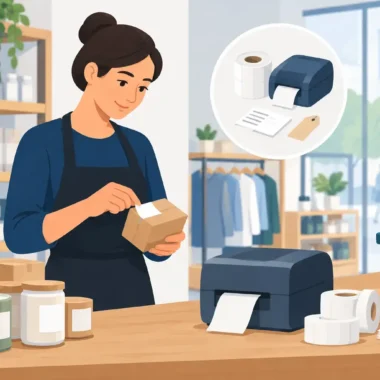
The best floral accessories are less useful if they are stored in three different places. Put frequently used materials where the packing happens: ribbon near the cutter, cards near the order book, sleeves close to the wrapping station and carrier bags by the collection point.
A practical workbench set-up should make the usual order straightforward. Staff should be able to select the wrapping, secure it, add the message and move the finished item to collection with minimal walking and searching. This matters most during peak periods, when a missing roll of tape or the wrong size of bag can hold up several orders.
It also pays to standardise a few finishes. Agreeing a preferred ribbon length, card position and wrap style for core bouquet sizes keeps the presentation consistent, even when different team members are preparing orders. Standardisation does not remove creativity from floristry. It protects time for the work customers actually notice: flower selection, arrangement and service.
Buy for Availability, Not Just Unit Price
Accessories are often low-cost individually, but running out can be expensive. If there are no suitable bags, sleeves or labels on hand, staff may have to use a more costly alternative, make an extra supplier run or send out an order that looks unfinished.
A sensible purchasing routine separates fast-moving essentials from occasional decorative lines. Core consumables such as cellophane, ribbon, bouquet bags, tape and carrier bags should be checked regularly and reordered before they reach the last usable pack. Less frequent items can be bought according to planned events, seasonal displays or customer demand.
When comparing wholesale options, look at pack quantity, storage space and how regularly the item is used. Bulk buying improves unit cost only when the material will remain clean, dry and usable. Delicate paper can crease, some ribbons can fade in direct light, and bulky bags can take up valuable room in a compact shop.
Buying across floristry supplies, retail packaging and display materials from one trade supplier can also reduce procurement time. At The Baggery Sundries, businesses can source practical finishing materials alongside everyday packaging and point-of-sale essentials, helping keep routine purchasing more manageable.
A Simple Stock Check Before Busy Trading
Before a bank holiday, event weekend or seasonal peak, check the accessories that are easiest to overlook:
- Bouquet bags and sleeves in the sizes used most often
- Cellophane, wrapping paper and tissue in saleable condition
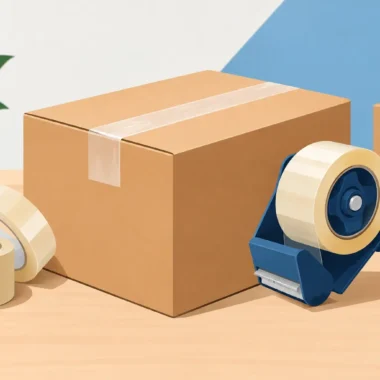
- Ribbon, raffia, ties, scissors and tape at each packing point
- Cards, labels, pens and message holders for gift orders
- Carrier bags and protective packaging for collection and delivery
This is not about carrying every possible colour or decoration. It is about having enough of the right materials to finish the work properly when demand is highest.
The strongest floral presentation is usually built from simple, dependable components used well. Keep the accessories practical, keep the core range replenished and test new lines against real workbench conditions. When an order leaves looking complete and easy to carry, customers remember the care behind it.